Saturday, January 25, 2014

Its been too long, and its been slow...

Where are all the Steel?
For the past month or so, I have been horrible about updating this blog. I have been so busy with casting practice (not fishing because I can’t catch anything), that I haven’t had time to write anything down. This winter has been a little bit of a drag as far hatchery steelhead go. We have been fishing nearly every weekend and have managed to hook into only 1 steelhead (that I proceeded to lose anyways). Returns of hatchery steelhead have been minimal this winter. It has been a mild, relatively warm winter,  with only a couple decent rains and snow falls. This has also affected our ski season, or lack there of.
 
We spent multiple weekends exploring and swinging flies through multiple runs up and down the Skykomish river with nothing to show for it but several bull trout (which are always great to catch) and a lost hunk of steel. Flows have been pretty good throughout the winter on the Skykomish, however there haven't been many spikes in flows to bring more fish into the system. The river seems to be in its best shape around the 4000 CFS mark. Above 6500 CFS or so, it seems to get a little too cloudy, and below 3000 CFS it is gin clear during the winter.
 
 
Snowy Skykomish
The crowds have been thick and the fish seem to be few and far between (although talking to people on the river, there are fish being caught). The lack of hatchery fish returning to the Puget Sound actually caused emergency closures on the NF Stilly and Cascade River due to low numbers. The NF Stilly has been reopened, but the Cascade Remains closed.
 
It’s difficult as steelhead fisherman to wait all year for the winter season and then have dismal returns. I am no biologist and don’t have a lot of room to speak on the subject, but I think there needs to be a greater focus, or at least a different focus, on the way our state hatchery and wild steelhead operations are ran. But that’s  enough on that touchy subject. With 99% of our local rivers here in Snohomish county closing on January 31st, the season is wrapping up.
 
With Occupy Skagit coming up again soon, we will fight to reopen the C&R spring season on the Skagit. It would be nice to have something to do until June 1st.


Thursday, October 31, 2013

Casade River Coho in October

Cascade River near Marblemount
In the summer time, many mornings the alarm is set for 3:45 a.m. so that you can be standing in the river for a 5:00 a.m. sunrise. One advantage to fall fishing is that sunrise isn’t until 7:45. So after burning up half the day and sleeping in until 5:00 a.m. last weekend we decided to head up to the Cascade River.

The Cascade River is a tributary of the mighty Skagit that dumps into the main river near Marblemount. This small river is home a decent return of hatchery Coho in the fall and a nice run of hatchery steelhead in the winter. This is a long haul for these fish and many of the fish caught this far up river will have some serious color to them. These fire engine red Coho may not make the best table fare, but they fight hard and are less lock jaw than many silvers around the local rivers.

The Cascade is very accessible river. Park at the hatchery and walk down the trail to see all the fish in the side stream that were able to make the long journey all the way back to the place where they were created. Cross a small side stream, and from here you can either go up or down river. Just like fishing at any hatchery in Washington State, this spot is no secret. You will not be alone.  The gravel bars are large enough that people can spread out, and there is some room to move around. Not a highly recommended fly fishing destination however.  Today we were fishing with a group, and being that not everyone in the group fly fishes, we decided to join the dark side and gear fish today. We could go off the tangent that gear fishing is not real fishing and that true fisherman only fish with bamboo and dry flies, but I will save that for another post.

We arrived to the hatchery about 7:30 a.m. and were fishing by 7:40. Second cast with my freshly cured to perfection humpy eggs, Katie reels in about a 6 pound red silver. The water was very low and clear, so short leaders and good bobber stops were the ticket to keep from losing gear. The fishing was not lights out, but it was fairly consistent. We spent the two hours or so fishing the same spot and by now there were enough people around that every decent hole had a few fisherman standing in it. I had gone all morning without hooking  a silver, but about half way through the morning I got surprised with a VERY late summer run hatchery steelhead. She had been in the river a while, but its always fun to be surprised with a fish you weren’t expecting. Due to the low and clear conditions, dark jigs and eggs worked well for us this day. Between the humpies and the silvers over the past few months, I have had my fill of salmon and am ready to commit to chasing winter steel. But overall, this was a very enjoyable trip out with friends.


Tuesday, October 1, 2013

Goodbye Summer, Hello Rain... and Fish...

 
Did you know that is rains in the Pacific Northwest? If you spent a day on a river in Washington in July or August you would probably think the answer is NO. If you were to hang around until the fall, you would learn the truth. The end of summer is often a big mystery in the Pacific Northwest, sometimes September is one of the nicest months of the year and some years, it rains…a lot. Once summer is gone, it is gone for good and the grey skies and dark clouds set up shop right over the top of Washington State for the next nine months.

This year being an odd year, we were graced with the presence of 6 million slimy humpies that dumped themselves into our Puget Sound rivers about mid August. At first, I was super pumped and couldn’t wait to target humpies and fill my smoker. Now, I can’t swing a fly down a river without hooking one of these things in the hump. It’s like reeling in a piece of drift wood sideways. I never thought I would be annoyed by catching a fish, but I’ve had enough Pink salmon action to keep me content for the next two years. So as September rolled around and as the month progressed, it was time to start thinking about the Pink salmon’s less slimy relative, the Coho.

As most people in the PNW are upset to see summer time come to an end, the river fisherman of our state are chomping at the bit waiting on the first big rain. This time of year there are often thousands of staging Coho in the Puget Sound waiting for their chance to shoot up the rivers where they will swim to their fire engine red transformation. This last week brought in some of these rains, so we decided to hit the river.

The week before Saturday September 28th, the weatherman was calling for extreme rains that would blow out all the rivers in no time, flood warnings and all. Listening to the radio on our drive out to the Skykomish river Saturday morning, they were saying how this was a good weekend to stay at home and tie leaders. We figured we had a couple hour window first thing in the morning before the river turned to sludge.

Steelhead are almost always my first priority when hitting the river, so after we made a pass through one of the usual runs on the Skykomish, we decided to head down to the mouth of the Wallace river and see if there were any Silvers milling around. 99 times out of 100 there is already someone standing under the train trestle on the Wallace River. I think the cats and dogs falling out of the sky scared off all the regulars this morning, as we walked up through the woods to find no one. By now, the rain was coming down harder than Shaq in the 90’s breaking backboards.

I have a messed up obsession for chasing steelhead with my fly rod, so I continued to fish down towards the mouth looking for steelhead. If there is a chance that a hunk of steel may be nearby, I want to chase it, even if the odds were against me. Katie stayed up river near the trestle, and no more than 10 minutes later she had a silver on the sandy beach. I instantly became jealous and started winging my fly up into the hole where she just hooked the fish. To my surprise, all I hooked were humpies, no matter where I go there is a humpy to be reeled in tail first. The river was starting to change before our eyes and it was only a matter of time before it would achieve full blown out status. So we bonked the hatchery silver and took it home for the bbq.
That morning when we arrived to the river, the Skykomish was flowing about 1500 CFS, by evening the same day, it was flowing over 14,000 CFS (15,000 CFS is flood status). The next morning it was up to 18,000 CFS. These crazy rains are the rains that all of us river fisherman have been waiting for. Once all the houses and cars stop floating down the river, there will be nothing left but fish for the catching. Fall is here, and winter is right around the corner. For many of us this is our favorite time of the year. Happy fishing.


Wednesday, September 4, 2013

Labor Day Weekend in the PNW - Humpy Madness

Puyallup River Pinks
It must be Labor day on an odd year in the Pacific Northwest because you can’t walk along any river bank in the Puget Sound without getting whacked in the head with a pink buzz bomb or pink marabou jigs. It’s a beautiful time of year, when all the rivers around the sound are lined hip to hip with amateur anglers slinging humpy specials, the banks are littered with beer cans and old hooks, and the meat snagging season is in full bloom. 

With an enormous run of Pink Salmon returning to Puget Sound this year, people with little to no fishing experience are able to go out and get their limits of salmon. The Skagit River, Snohomish River, and the Puyallup River, are three of the major hot spots where people are filling their coolers. Any pullout where you can find a couple feet of casting room is as good a spot as any.


Snohomish Pinks & Pink Marabou Jigs
We spent Sunday September 1st chasing pinks on the Snohomish River at a small pullout just a few miles upriver from downtown Snohomish. This secret spot only had about 25 cars parked there when we arrived to the river around 8:00 a.m. At first, there many fish surfacing, but before we could get a line in the water, they were gone. It was pretty quiet for about two hours, and then fish started rolling in again. We managed to hook three in about 20 minutes. They key is to catch it when the tides bring in more fish and have your lines in the water when the schools start running. I was unable to coax any with the fly, but managed to hook two in a few minutes on some ¼ oz pink marabou jigs I tied up a few days earlier.  Slow multiple twitch retrieves seemed to work well. Everyone was hooking fish for about and hour and then it died again. We had enough fish in the cooler to put the fillet knife into action so we called it a day.


The next morning we decided to go explore down south on the Carbon and Puyallup Rivers. I have fished crowds before, but not like this. I am not sure what I was thinking when I packed two fly rods in the car, I had no idea what I was getting myself into. Both rivers looked like a tasty cup of Nesquick with no more than 1" or 2” of visibility.  The banks were lined with large men that were jerking and twitching so much trying to floss fish it looked like some sort of redneck line dance. I’d rather swing flies in the Sauk River in the woods in a down poor by myself and not get a bite than fish like this. Unfortunately, guys were flossing and catching fish in the mouth making this legal.  Hoards of people with stringers full of pink salmon and the occasional silver or king were walking down the streets along Puyallup River.  Corkies, pink yard, two to three feet of leader and a chunk of lead was the only setup I saw being used on the Puyallup River. If meat is your sole purpose of fishing, then buy a whole bunch of gear since you will lose half of it to trees, snags, and other people's fishing line, and head to the Puyallup river. If solitude, nature, and actual enjoyment is what you seek, stay far away.

If you have the ability to look past the crowds, humpies are very fun to catch and a great way to learn to catch fish.  Break out the smoker and look up that secret brine recipe and head out to one of these spots. After all, the more people that stick to the lower rivers chasing humpies, the less people that will be standing in my nice steelhead runs further up river. 


Wednesday, August 28, 2013

NO Skykomish River Dam!!

Many fishermen are on the water every chance they get, and as a result get to know their home waters like the back of their hand and learn to love them. It can take years to learn the ins and outs and all the secrets of a particular system. For me the Skykomish River is becoming those waters. I still have many years and many fish to go before I even come close to knowing the river like the back of my hand, but this river has become my “go to” river, is near my home, and has become a river that I thoroughly enjoy fishing. Part of having “home waters” is working to protect, clean, and conserve those waters.


Cold Skykomish River
A study has been developed that would propose a dam on the Skykomish river above sunset falls. The plan would call for the installation of a 55 ft weir that would inflate and deflate as necessary. The dam would divert water into a tube that would run to a power house further down river. The dam would put out enough energy to power about 10,000 homes. This covers about 1% of all of SnoPud’s customers (most of the power coming from Bonneville). The Skykomish River has been designated “Wild and scenic” and is free flowing and should be left this way. Aesthetics, river contamination, fish habit, and financials, should be just some of the concerns here.


Skykomish River Summer
 I am not an engineer nor am I an environmental scientist, and very rarely do I jump on the tree hugger band wagon, but in this situation I think I will. The Skykomish River was designated wild and scenic for a reason. It is a beautiful free flowing river where myself and countless others love to fish, hike, raft, and just plain enjoy. The plan would cost $150 million dollars and would power 10,000 homes. It does not seem worth the risk, when this money could be put towards upgrading current power supplies or other means of energy. With millions of dollars spent to knock down dams on the Elwha River, this plan seems a contradictory and unnecessary.
Below is a link to a petition that can be signed. Also are links to my sources and other articles.

Monday, August 19, 2013

The Big Debate: Trout Bead Droppers

Many old time “purist” fly fisherman would consider anything other than a dry fly flung by a bamboo rod to not be fly fishing.  I’m sure many of these old timers were rolling in their graves with the introduction of the bead dropper. It’s been a hot debate for some time now whether or not using a single bead a couple inches up from a bare hook under an indicator can be considered “fly fishing”, and in some cases even “legal”.
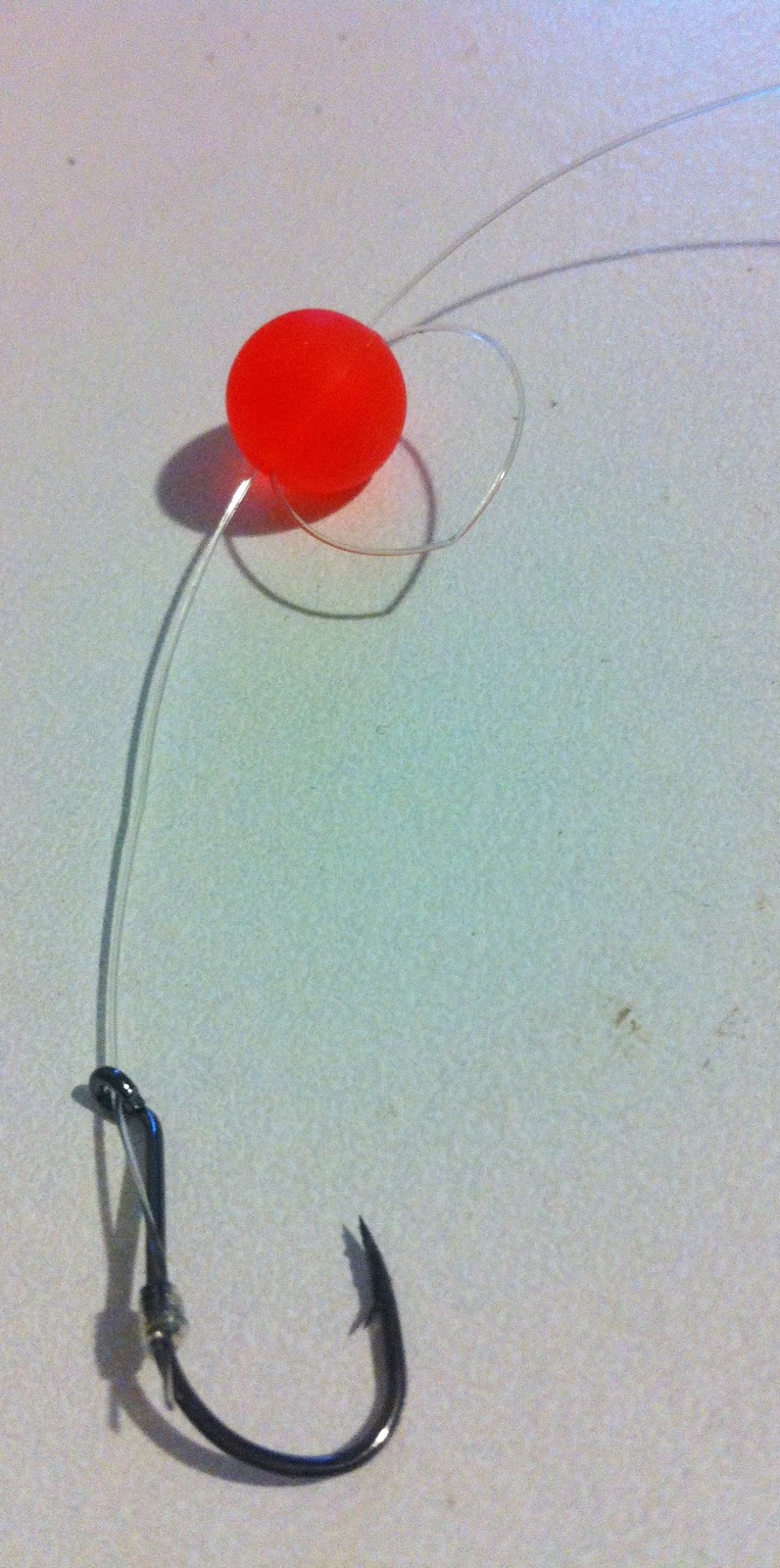
Trout Beads

A dropper is a very common and very productive practice in fly fishing, and has been for a very long time. However, when beads came into play as droppers, there was some controversy that developed. These beads can be rigged several different ways. The bead can either be rigged with a tooth pick inserted into the bead, or once the leader is put through the bead it can be doubled back through, this way the angler can move the bead up and down the leader. The idea is that the bead will be placed just a couple inches above a bare hook, and when the fish grabs the bead it slides down the leader and the fish is hooked in the corner of the mouth. There are couple different schools of thought on this, one being that using a plastic bead is not a fly but actually a lure. Two that sliding the bead up the line above a bare hook and then hooking fish in the side of the mouth is considered snagging.  Third, is that it’s just another good old fly fishing tactic, so who cares.

I see where all three thoughts come from, and I hate every meat headed snagging poacher as much as the next guy, but I have a hard time viewing the bead as a snagging tool. Washington State Rules and regulations state, “It is unlawful to possess a fish taken from freshwater that was not hooked inside the mouth or on the head. The head is defined as any portion forward of the rear margin of the gill plate.” (pg. 16, Washington Sport Fishing Rules effective May 1, 2013 – April 30, 2014).  This makes hooking a fish in the face with the bead method perfectly legal in the state of Washington. However, cross the Columbia River and go into Oregon and you better leave your beads at home. Oregon Department of Fish & Wildlife defines snagging as “Taking or attempting to take a fish with a hook and line in a way or manner where the fish is not enticed to voluntarily take the hook(s) in its mouth. Game fish which are hooked other than inside of its mouth must be released immediately unharmed.” (pg. 12 2013 Oregon Sport Fishing Regulations). So hook that hatchery brat in the side of the face in the state of Oregon, and you gotta let it go.
For me, FLY fishing with beads is very new and I have only tried it once to no avail. But it was a topic that interested me due to all the controversy behind it. Personally, I see nothing wrong with it. I have been on rivers where guys tie on a treble hook, a hunk of lead, and then rip their line back hoping for the best. That is not fishing. But a bead is an egg imitation that entices a fish to bite just like your grandpa’s hand tied royal coachman would do. When the fish is hooked in corner or side of the mouth, very little damage is done to the fish. I chose to fly fish for many different reasons, one being that I enjoy catching fish, and even though the bead may be frowned upon by some, I see it as just another tactic. The bead is a very productive way to fish, and many guides have used this tactic to catch fish and the keep their customers happy. In my opinion, as long as you are staying within the legal realms of the water of that you are fishing, bead on.

Thursday, August 15, 2013

Okuma Helios Review


With all the big box store putting our local mom and pop fly shops out of business, I thought I would do my part and go to Wal-Mart and look for a fly reel. Normally, I would stay as far away from Wal-Mart as possible for my fishing gear unless I was looking to pick up some power bait, but I received a gift card, and had no choice but to spend it on fishing stuff. I never pegged Wal-Mart as a place to shop for quality fishing gear, but when I was messing around on the interwebs one day, I came across the Okuma Helios reel. I was forced to spend my gift card on the 7/8 model.

I purchased the reel without ever getting the opportunity to play with one or feel it for myself, but I read many positive reviews, and heard great things about the reel around the internet. Okuma has a history of providing good gear at affordable prices. My first 8 weight reel was an Okuma Sierra that has no bells and whistles, but is tough, holds a lot of line, has a solid drag, and is a reel that I still use regularly today.


When I opened the box to my new Okuma Helios 7/8 the first thing I noticed was how light the reel was. I was also impressed with the aesthetics of the reel. A large arbor, made of machined bar stock aluminum, the Helios is light and precise. The Helios has two ball bearings plus one roller bearing on a stainless steel shaft to make it strong and smooth. A major selling point for me was the sealed drag. The sealed drag will protect it from the elements, taking away any worries I may have had about using the reel in saltwater (which I have already). The drag is easily adjustable and super smooth just like the rest of the reel. Me, being a southpaw, the reel also offers and easy conversion from right to left.

There is no shortage of reels on the market that will break the bank above $300, but the Okuma Helios is half that, coming in around $150. The Helios is a great reel for the price, and can easily compete with $700 bank breakers out
there.