
 It’s been a
few months now since I hauled the new (new to me at least) drift boat across
the Cascades and parked it in the garage to start as a new project. It still
has a long ways to go, but after getting it all painted and put back together,
I have been itching to get it on the water. With the rivers closed and my
extreme lack of rowing experience, getting it out on the lake seemed like my
only option.
It’s been a
few months now since I hauled the new (new to me at least) drift boat across
the Cascades and parked it in the garage to start as a new project. It still
has a long ways to go, but after getting it all painted and put back together,
I have been itching to get it on the water. With the rivers closed and my
extreme lack of rowing experience, getting it out on the lake seemed like my
only option.
Growing up,
fishing on lakes was the norm. I learned how to fish by spending time on lakes
with my family. But since I have dedicated 99% of my time on the water to fly
fishing, I have been forced to relearn lake fishing tactics. Aside from
dragging wooly buggers around the lake, I feel like a newbie. How am I supposed
to cast 17’ of leader with two flies and a bobber attached to it? What heck is
a blood worm?
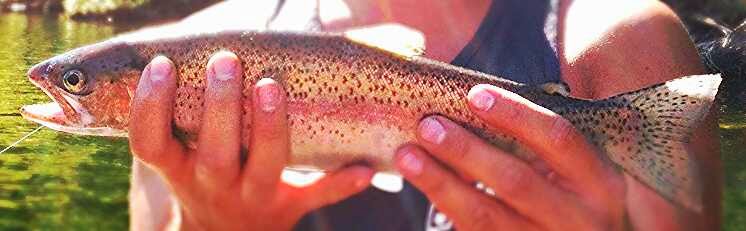
The last few trips have been to a local lake near Snohomish called Panther Lake. It is one of the “three lakes” here in the area. It is a relatively small lake with a decent supply of stock rainbows, bass, and perch. Rainbow trout have been the target as of late and we have managed to hook a few on wooly buggers in about 20 feet of water or so. This is where the long leaders and a chunk of split shot come handy. It’s not the most exciting tactic, but trolling these wooly buggers deep and slow has been most effective.
 Even though
at times it may seem that time spent on the lake is not as “serious” as a day
spent fishing hard on the river in the snow, this has been a great learning
experience. I’ve learned the basics of rowing my drift boat, granted moving
water is much different, but when it comes to learning how the boat operates,
this has been huge. I’ve learned that a roll cast and letting the boat drift is
about the only way to get that 17’ leader out there. I’ve learned that “if it
ain't broke don’t fix it”, that a wooly bugger is still about the best tactic
out there to catch fish. I’ve learned that I have fat fingers and that tying
size 14 chronomids is much different than tying intruders on articulated
shanks. I’ve learned that I have a lot to learn, and any time on the water no
matter what you are doing is valuable.
Even though
at times it may seem that time spent on the lake is not as “serious” as a day
spent fishing hard on the river in the snow, this has been a great learning
experience. I’ve learned the basics of rowing my drift boat, granted moving
water is much different, but when it comes to learning how the boat operates,
this has been huge. I’ve learned that a roll cast and letting the boat drift is
about the only way to get that 17’ leader out there. I’ve learned that “if it
ain't broke don’t fix it”, that a wooly bugger is still about the best tactic
out there to catch fish. I’ve learned that I have fat fingers and that tying
size 14 chronomids is much different than tying intruders on articulated
shanks. I’ve learned that I have a lot to learn, and any time on the water no
matter what you are doing is valuable.

The last few trips have been to a local lake near Snohomish called Panther Lake. It is one of the “three lakes” here in the area. It is a relatively small lake with a decent supply of stock rainbows, bass, and perch. Rainbow trout have been the target as of late and we have managed to hook a few on wooly buggers in about 20 feet of water or so. This is where the long leaders and a chunk of split shot come handy. It’s not the most exciting tactic, but trolling these wooly buggers deep and slow has been most effective.
Even though
at times it may seem that time spent on the lake is not as “serious” as a day
spent fishing hard on the river in the snow, this has been a great learning
experience. I’ve learned the basics of rowing my drift boat, granted moving
water is much different, but when it comes to learning how the boat operates,
this has been huge. I’ve learned that a roll cast and letting the boat drift is
about the only way to get that 17’ leader out there. I’ve learned that “if it
ain't broke don’t fix it”, that a wooly bugger is still about the best tactic
out there to catch fish. I’ve learned that I have fat fingers and that tying
size 14 chronomids is much different than tying intruders on articulated
shanks. I’ve learned that I have a lot to learn, and any time on the water no
matter what you are doing is valuable. 


